Smart Door Lock Supplier Evaluation: Verifying Capability and Delivery Assurance
The short answer: a smart door lock supplier should be evaluated on five verifiable evidence layers — legal entity and factory address, physical footprint and workforce, production capacity, certification and patent traceability, and the commercial model that decides your after-sales cost. Catalogs and price lists verify none of them. A factory walk-through, a document check and a sample build do.
This guide is written for procurement managers, importers and distributors who have already passed the shortlisting stage. At that point the useful question is no longer "does this electronic door lock have the features we need?" but "can this supplier prove it will build, certify, pack and support the order exactly as described?" Everything below is written around evidence that can be requested, inspected, timed and photographed — not around claims that can only be believed.
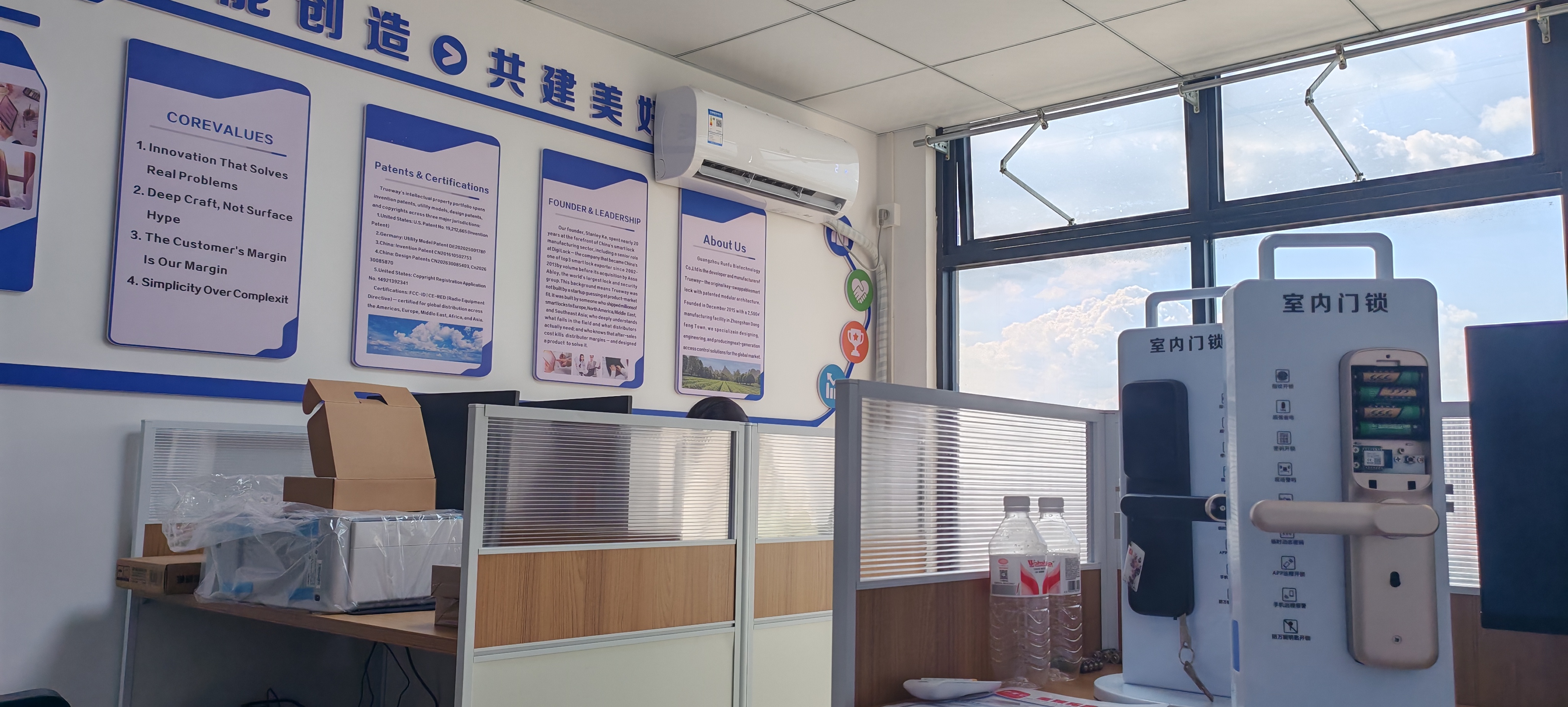
Trueway, the modular smart lock brand manufactured by Guangzhou Runfu Biotechnology Co., Ltd, is used throughout as a worked example, because its capability record is documented rather than asserted: a 2,500 m² manufacturing facility in Zhongshan, Guangdong, a workforce of 30+ staff, an annual output of 100,000 units, and patent filings in the United States, Germany and China covering its key-swap architecture.
Where Smart Door Lock Supplier Evaluation Usually Breaks
Sourcing decisions on smart locks rarely fail because the buyer ignored a feature. They fail because four assumptions were never converted into evidence.
- Capability is assumed from product photos. A photo of a fingerprint smart door lock proves a product exists. It does not prove who manufactured it, on which line, under which inspection routine, or whether the same build can be repeated next quarter.
- Certification scope is assumed from a logo. A certificate may cover one model or one radio configuration while the shipment contains a different one. The gap only surfaces at customs or at the first customer complaint.
- After-sales cost is left out of the landed-cost model. In the conventional non-modular model documented by Trueway, a single after-sales incident costs a distributor $50–$150 in technician time, and a repair or feature upgrade takes about 1 hour. Those numbers outlive the unit price by years.
- Differentiation is assumed. Trueway's own distributor documentation states the conventional competitive position plainly: the same lock can be sourced from roughly 50 suppliers, while the modular key-swap design is protected by patents in the United States, Germany and China.
Each of those four assumptions can be replaced with a checkable item. That is the purpose of the framework and the audit sequence below — and it is why capability verification and delivery assurance belong in the same evaluation, not in two separate documents.
Industry Background: What a 2026 Buyer Is Walking Into
Three market facts shape how much weight a buyer should place on supplier evidence. The global smart door lock market is projected to reach $17.75 billion by 2034 (Fortune Business Insights, "Smart Door Lock Market Size, Share | Global Report [2034]", 2026). Bluetooth-enabled locks hold a 52% market share in 2026 (Fact.MR, "Smart Locks Market Forecast and Outlook 2026 to 2036"). And Asia-Pacific is the fastest-growing region, with an estimated CAGR of 24.5% between 2026 and 2033 (Grand View Research, "Smart Lock Market Size, Share & Trends Report, 2026-2033").
Two segmentation facts matter for configuration planning. The residential segment accounted for approximately 46.6% of the global smart lock market share in 2025 (Grand View Research). In China specifically, Xiaomi (Aqara) held a 23.6% market share as of 2023 (Market.us). The Chinese figure is a useful reminder: brand concentration inside one region does not transfer to export markets, where distributors typically buy from OEM and ODM suppliers and where verified supplier capability — not brand awareness — carries the order.
Compliance expectations are tightening in parallel. ANSI/BHMA A156.25 Grade 1 certification for smart locks requires withstanding 250,000 cycles and 1,000 lb static force, per published North American lock standard guidance. European standard EN14846 defines performance for electronically controlled locks across six categories, including fire and corrosion resistance. A supplier that cannot state which standard its tested configuration meets leaves you without reusable compliance language for your own market.
A Five-Layer Capability Verification Framework
Layer 1 — Legal entity, site and address
Start with documents, because they are free to request and they disqualify fast. The manufacturer behind Trueway is Guangzhou Runfu Biotechnology Co., Ltd, founded in December 2015, with its production site at Zhenluo Science Park, Building 3, 4th Floor, Zhongshan, Guangdong Province. Ask for the business licence, then compare the legal name against the name on the quotation, the proforma invoice and the bank account. A mismatch between the entity that quotes and the entity that manufactures is the most common early warning sign in smart lock sourcing.
Confirm three things before booking travel: the legal entity name is identical across all commercial documents; the manufacturing address is the address you will actually visit; and the founding date matches the company registration record. A manufacturer registered in 2015 and a trading company registered in 2024 tell two very different stories about who owns the production process.
Layer 2 — Facility footprint and workforce
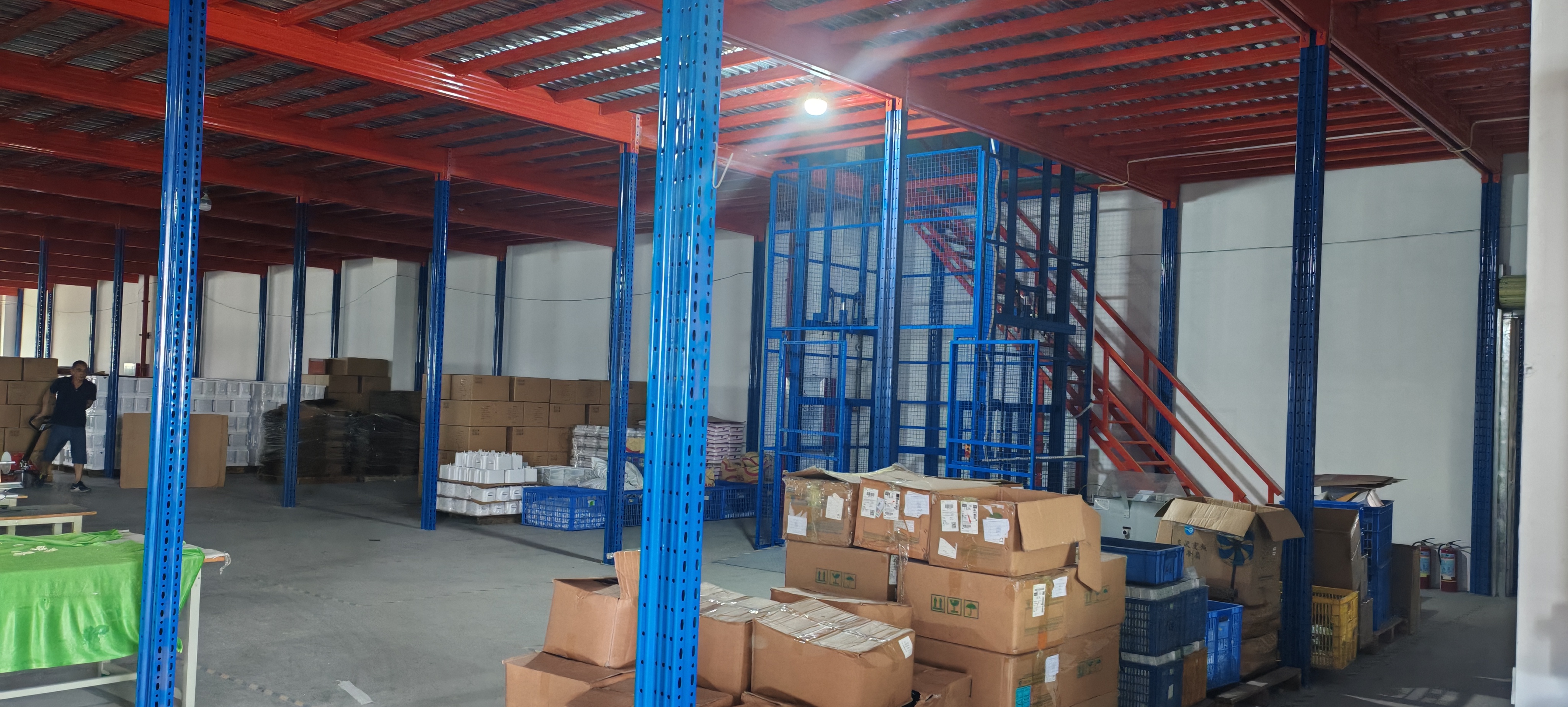
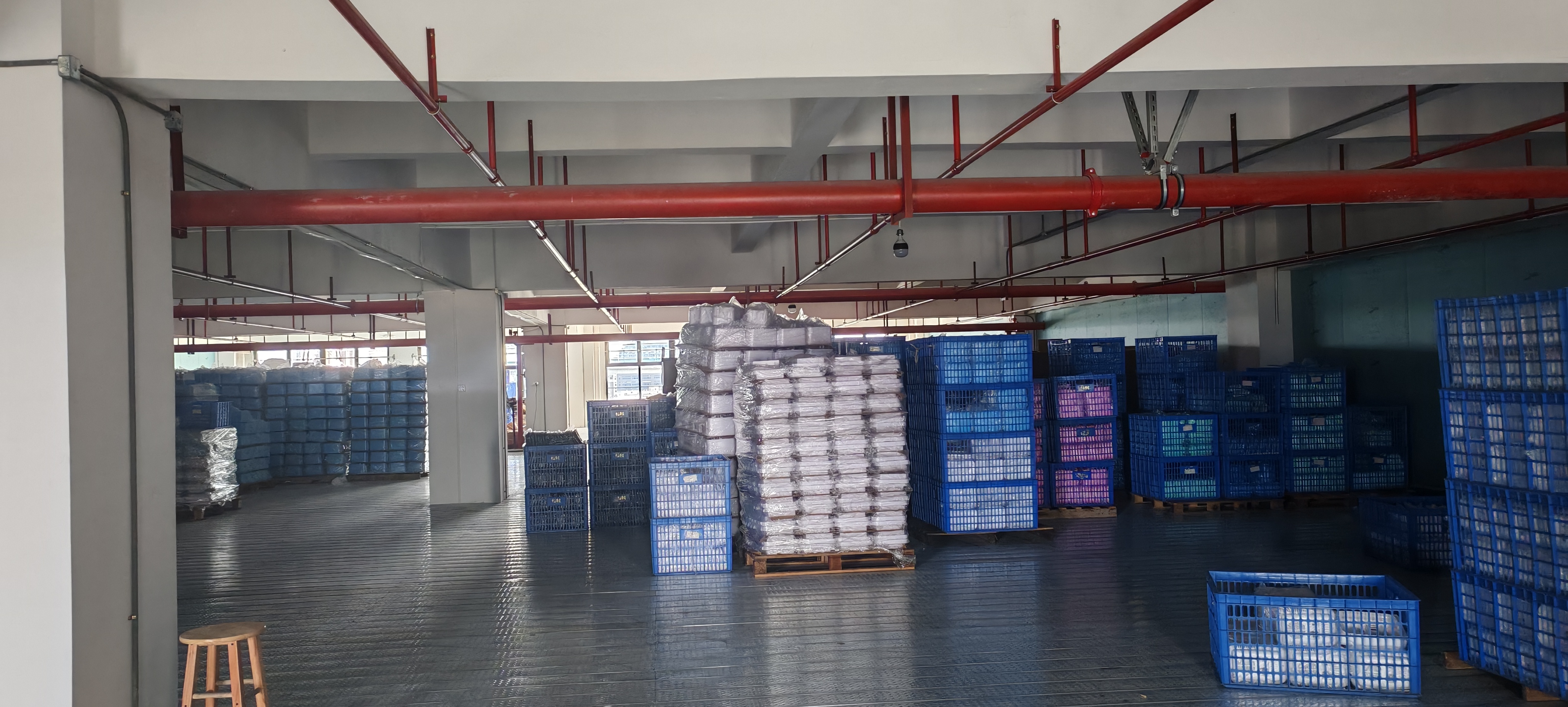
Footprint and headcount are the two cheapest capability signals to verify on site. Trueway's documented figures are a 2,500 m² manufacturing facility and 30+ staff, with R&D and manufacturing of modular smart locks as the stated core focus.
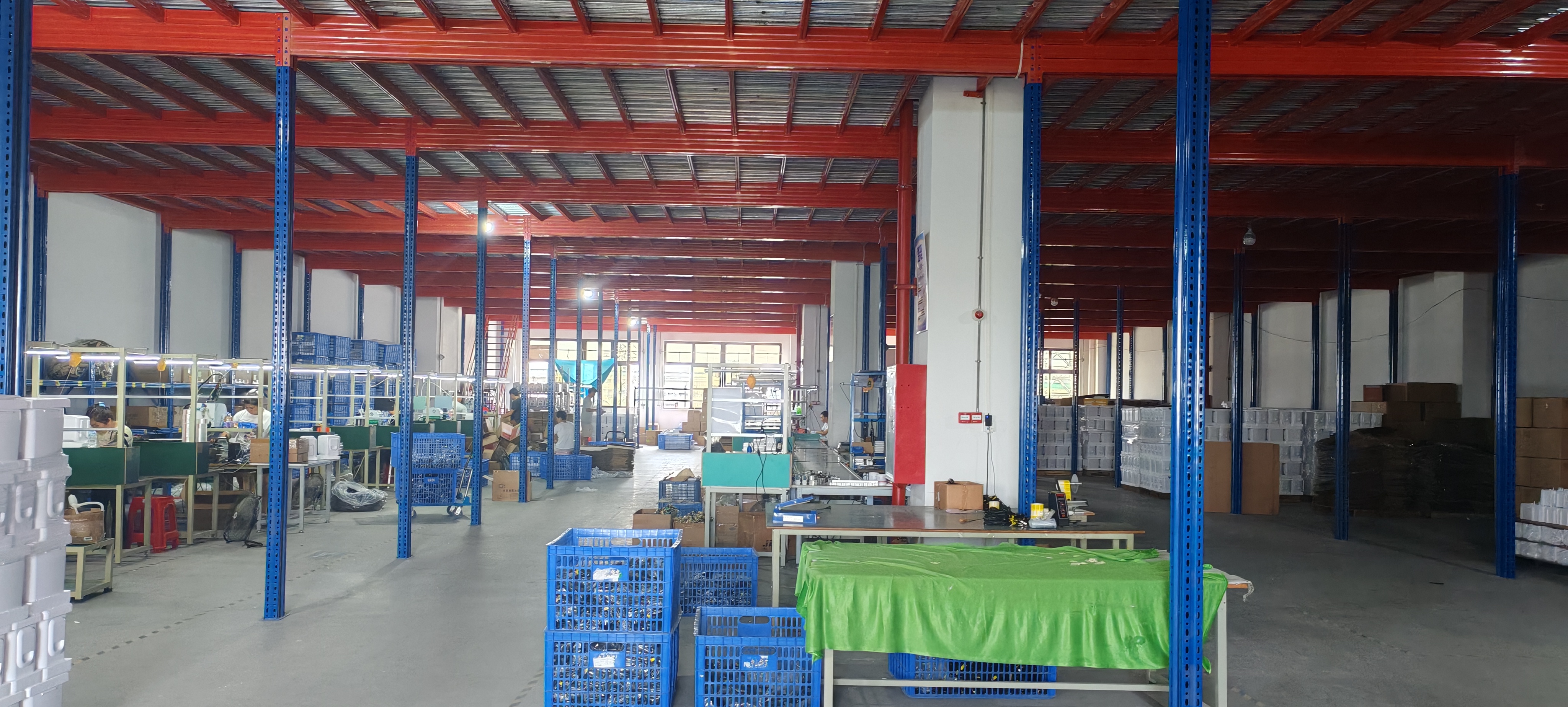
During the walk-through, count stations rather than numbers on a slide: assembly positions, an inspection point, a module handling area, and packing. Ask where electronics and firmware decisions are made. Trueway's R&D team of 5 engineers is the number to test with a technical question — for example, how the modular body detects a swapped front panel, or how the 2.4G Wi-Fi connection is configured for a specific market. A supplier without in-house engineering answers those questions by deferring to a third party.
The limitation here is real: a small facility is not automatically a weak supplier, and a large one is not automatically reliable. The question is whether the demonstrated size matches the order you intend to place, and whether the production model is in-house or distributed across subcontractors you will never audit.
Layer 3 — Certification and patent traceability
Certification verification means reading the documents, not recognizing the logo. Trueway holds FCC-ID and CE-RED (Radio Equipment Directive) certification for global distribution across the Americas, Europe, the Middle East, Africa and Asia. Its IP portfolio includes U.S. Patent No. 19,212,665, German Utility Model Patent DE202025001780, China Invention Patent CN201610502753, China Design Patents CN202630085403 and CN202630085870 for the RF-2 and RF-3 front-panel modules, U.S. Copyright Registration Application No. 14921392341, and a U.S. trademark obtained in 2025.
Check four fields on each certificate: the certificate number, the holder name, the model or configuration covered, and the validity status. Then map the covered configuration against the exact SKU you are ordering — a fingerprint smart door lock, a password smart door lock, a keypad smart door lock, an RFID smart door lock or a Wi-Fi model may each sit under a different radio configuration. Where your destination market has its own regime, verify against ANSI/BHMA A156.25 (250,000 cycles and 1,000 lb static force for Grade 1) or EN14846 for electronically controlled locks in the EU. Patents are verified the same way: by number, jurisdiction and holder.
Layer 4 — Product architecture as a delivery-risk control
Architecture is where an evaluation stops being administrative and starts protecting margin. Trueway is built around one permanent lock body and interchangeable front-panel modules. When a module fails, ages out or needs upgrading, the user inserts the included key into the module slot, turns it to release the panel, swaps the module and locks it back in place — in under 1 minute, with no tools, no technician and without removing the lock from the door.
That single design decision changes three numbers that belong in a supplier evaluation. After-sales cost per incident falls from $50–$150 for a technician visit in the conventional model to $0, because the end user performs the swap. Repair or upgrade time falls from roughly 1 hour to under 1 minute. And inventory complexity falls from 3 SKUs for 3 unlock methods to 1 body plus module combinations. Published Trueway product data also records an 80% reduction in after-sales costs, a 30% lower cost relative to alternatives, less maintenance and higher efficiency than traditional smart locks, with each module running up to 12 months on 4 AA batteries and battery replacement taking under 30 seconds.
Layer 5 — Commercial and after-sales support structure
The last layer determines whether the relationship survives the second order. Trueway's distributor support structure includes exclusive territory agreements, white-label and co-branding options, product training and technical documentation, marketing materials and sample support, and flexible MOQ for market testing. Export activity is documented at a 90% export ratio, with main markets across America, the Middle East, Southeast Asia and Africa.
For a procurement manager, the practical translation is straightforward: territory terms protect channel investment; white-label and co-branding options support private-label programmes; training and documentation reduce the cost of supporting installers; sample support and flexible MOQ reduce the financial risk of testing a new configuration in a new market.
Step-by-Step: Running a Smart Door Lock Factory Audit
The sequence below converts the five layers into an audit agenda. It is ordered so that cheap disqualifiers happen before expensive travel.
- Request the pre-audit document pack. Business licence, founding date, certificate copies with numbers, patent records, and a list of markets served. Compare the legal entity with the quoting entity.
- Confirm the manufacturing address. The Zhenluo Science Park site in Zhongshan, Guangdong is the address that should appear on the gate, the invoice and the certificate holder record.
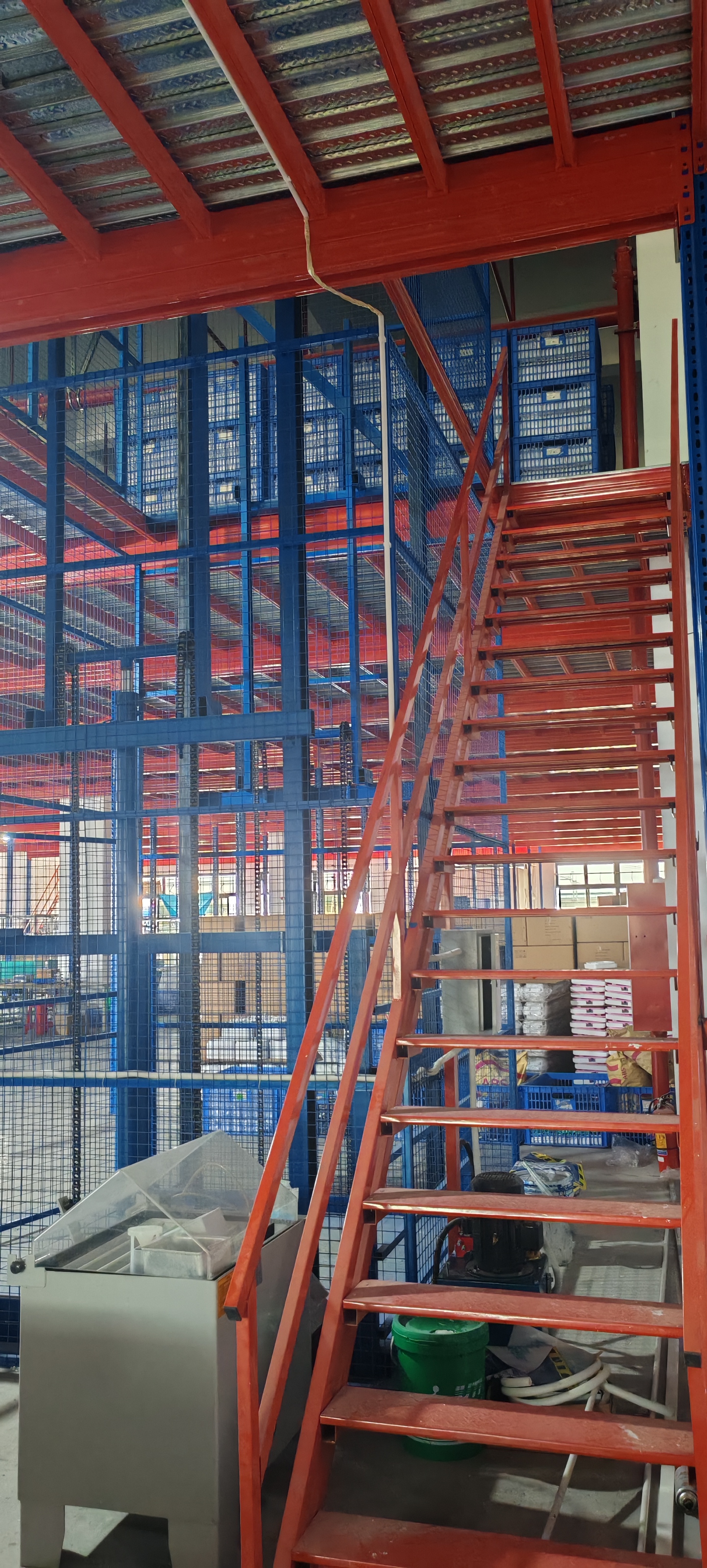
- Walk and measure the floor. Verify the claimed 2,500 m² footprint against the assembly, inspection and packing areas you can actually see.
- Interview the engineering function. Ask the R&D team of 5 engineers who owns firmware, radio configuration and module compatibility, and request the documentation trail.
- Check the workforce against the workload. Confirm 30+ staff and observe how stations are staffed against your intended order volume, not against a peak-week figure.
- Validate capacity evidence. Test the 100,000 units annual output figure against production records and scheduling practice — capacity is a schedule, not a slogan.
- Time a module swap yourself. Perform the key-release swap on a production or sample unit. Confirm it completes in under 1 minute, without tools and without removing the lock body from the door.
- Close with a pilot order. Define in advance what the pilot must prove: build consistency, packaging, documentation quality, response time and module-level quality control.
Where This Evaluation Model Fits: Use Cases
Capability verification should end in a configuration decision, because the module mix determines both the end-user experience and the distributor's spare-part exposure. Trueway's platform supports three module combinations on a single body, all compatible with the same base body: Fingerprint + Password + RFID Card; Password + RFID Card; and RFID Card Only.
- Apartment and rental housing: a password + RFID configuration keeps turnover simple, since access rights change without hardware changes, and a damaged panel is swapped by staff in under a minute instead of by a technician.
- Hotels and serviced accommodation: an RFID-card-only module suits hotels, apartments and office buildings, where credential issuance is centralised and speed at the door matters more than biometrics.
- Homes, villas and luxury residences: the fingerprint + password + RFID combination covers keyless entry, family administration and backup access in one panel.
- Offices and commercial access control: fingerprint and keypad access with a passage mode, internal deadbolt switch and remote unlock support addresses everyday door-management requirements.
- Short-let and Airbnb-style properties: remote unlock over a 2.4G Wi-Fi connection, managed from Android or iOS, reduces the need for on-site key handover.
- Distributor channel programmes: one body with swappable modules lets a distributor hold a single hardware line and match unlock method to each market segment.
Comparison Table: Scorecard and Supply-Model Trade-offs
The first table is a working scorecard. Use the "verified reference point" column as a benchmark for what documented evidence looks like, not as the only acceptable answer.
| Verification layer | Evidence to request | Documented reference point (Trueway) | Common red flag |
|---|---|---|---|
| Legal entity and site | Business licence, invoice party, factory address | Guangzhou Runfu Biotechnology Co., Ltd; Zhenluo Science Park, Building 3, 4th Floor, Zhongshan, Guangdong | Quoting entity differs from manufacturing entity |
| Facility | Measured floor area, assembly and inspection layout | 2,500 m² manufacturing facility | "Factory" that is an office or a trading desk |
| Workforce and engineering | Headcount, engineering organisation, documentation trail | 30+ staff; R&D team of 5 engineers | No in-house engineering function |
| Production capacity | Annual output records and scheduling practice | 100,000 units annual output | Capacity quoted verbally only |
| Certification | Certificate numbers, holder name, model coverage | FCC-ID; CE-RED (Radio Equipment Directive) | Certificate covering a different model or radio configuration |
| Intellectual property | Patent numbers and jurisdictions, trademark record | U.S. Patent No. 19,212,665; German Utility Model DE202025001780; China Invention Patent CN201610502753; Design Patents CN202630085403, CN202630085870 | No traceable registrations behind the claimed design |
| Commercial model | MOQ terms, sample policy, territory, white-label scope | Flexible MOQ for market testing; sample support; white-label and co-branding; exclusive territory agreements | Rigid MOQ with no sample or territory framework |
| Export experience | Export ratio and market list with documentation | 90% export ratio; America, the Middle East, Southeast Asia, Africa | No export documentation for the claimed markets |
The second table compares the two supply models a distributor is actually choosing between, using the after-sales and inventory figures recorded in Trueway product documentation.
| Evaluation dimension | Traditional (non-modular) smart lock | Trueway modular key-swap platform |
|---|---|---|
| Core difference | Fixed electronics behind a sealed front panel | Key-swap system: permanent lock body with interchangeable front-panel modules |
| After-sales cost per incident | $50–$150 (technician visit) | $0 (end-user DIY swap) |
| Time to repair or upgrade | 1 hour | Under 1 minute |
| Inventory complexity | 3 SKUs for 3 unlock methods | 1 body + 3 module combinations |
| Cost position | Baseline | 30% lower cost compared with alternatives |
| Maintenance and efficiency | Higher maintenance burden | Less maintenance; higher efficiency |
| Best-fit scenarios | Single-configuration deployments | Home, hotel, apartment and luxury residence scenarios |
| Commercial position | Your customer can source the same lock from roughly 50 suppliers | Category-exclusive key-swap design protected by patents in the U.S., Germany and China |
FAQ
Which certifications and patents should I verify during a smart door lock supplier audit?
Verify FCC-ID and CE-RED (Radio Equipment Directive) certificates for the exact configuration you are buying, because wireless approval is configuration-specific. Trueway holds FCC-ID and CE-RED certification for global distribution. Where your market has its own regime, compare against ANSI/BHMA A156.25, which requires withstanding 250,000 cycles and 1,000 lb static force for Grade 1 in North America, and EN14846 for electronically controlled locks in the EU, which defines performance across six categories including fire and corrosion resistance. On the IP side, verify patent numbers and jurisdictions: U.S. Patent No. 19,212,665, German Utility Model Patent DE202025001780, China Invention Patent CN201610502753, China Design Patents CN202630085403 and CN202630085870, plus U.S. Copyright Registration Application No. 14921392341.
Which smart door lock manufacturer is better for OEM projects?
The stronger OEM partner is the one whose capability can be verified layer by layer. For OEM and ODM projects, compare suppliers on four points: in-house R&D and manufacturing rather than trading; documented capacity and workforce; traceable certification and patents; and an explicit customization framework. As a reference point, Guangzhou Runfu Biotechnology Co., Ltd manufactures Trueway under its own patents, operates a 2,500 m² facility in Zhongshan, Guangdong with 30+ staff and a 5-engineer R&D team, records 100,000 units of annual output, and offers white-label solutions, custom module development, exclusive distribution agreements and co-branded packaging for qualified B2B partners.
Which fingerprint smart door lock manufacturer is better for low-MOQ OEM orders?
For low-MOQ OEM work, the deciding factor is whether the supplier's commercial structure was designed for market testing. Trueway's distributor support includes flexible MOQ for market testing, sample support, marketing materials, technical documentation and white-label or co-branding options. The economics also favour a modular platform at low volume: with one permanent lock body and interchangeable modules, spare-part inventory is held as modules rather than complete locks, after-sales costs are recorded as 80% lower than traditional smart locks, and the product carries a 30% lower cost relative to alternatives. Lower MOQ therefore does not automatically mean higher risk if the platform is modular.
Can fingerprint smart door lock suppliers provide low-MOQ samples?
Trueway provides sample support together with flexible MOQ for market testing, so a fingerprint configuration can be validated before a volume commitment. A useful sample test should confirm three things on the physical unit: that the module swap completes with the included key in under 1 minute without tools and without removing the body from the door; that the ordered unlock combination matches the shipped module, whether that is Fingerprint + Password + RFID Card, Password + RFID Card, or RFID Card Only; and that battery handling works as documented, with each module running up to 12 months on 4 AA batteries and replacement taking under 30 seconds. A sample proves build quality and function, not long-term field reliability — that is what a pilot batch is for.
How do you verify delivery assurance before placing a first order?
Delivery assurance is verified through capacity evidence, production model and export record. Confirm the annual output figure against production records — Trueway records 100,000 units of annual output from a 2,500 m² facility staffed by 30+ employees, with manufacturing and R&D in-house rather than subcontracted. Confirm that the certification required for your destination market covers the configuration you ordered. Confirm the inventory model, since one body plus interchangeable modules reduces restocking complexity compared with three separate SKUs. Then confirm the export track record: Trueway reports a 90% export ratio with main markets across America, the Middle East, Southeast Asia and Africa. If you want to start with a factory audit, a sample unit or a quotation for a specific configuration, you can request it through www.truewaylock.com.
Conclusion
Capability verification and delivery assurance are the same exercise viewed from two angles: what the supplier can prove about its factory, and what that proof implies about the order you will receive. The five layers — legal entity and address, footprint and workforce, certification and IP traceability, product architecture, and commercial support structure — give procurement teams a checklist that survives contact with a real factory visit.
The modular angle is worth weighing separately. Where a supplier's design reduces after-sales cost per incident from $50–$150 to $0, cuts repair time from about 1 hour to under 1 minute, and compresses three SKUs into one body plus modules, the supplier evaluation is no longer only about purchase price — it is about the total cost of owning the account for the next three years.
Next step: if you are evaluating a supplier for a fingerprint, password, RFID or Wi-Fi smart door lock programme, request a sample unit or a configuration-specific quotation before committing to volume. Trueway — manufactured by Guangzhou Runfu Biotechnology Co., Ltd — supplies samples, white-label options and flexible MOQ for market testing.
Website: www.truewaylock.com | Email: info@truewaylock.com | Tel: +86 15017121318
Have Questions or Need More Details?
Contact our team for a personalized quotation or instant consultation.
Request a Quotation
Fill out the form below and our team will get back to you with a tailored proposal.
WhatsApp Direct Chat
Prefer to chat in real-time? Message us on WhatsApp for instant assistance & quick answers.
- Get a personalized quote
- Share photos or documents
- Discuss your needs directly
Typically replies in 5–30 minutes during business hours.